Raised Aluminum Garden Beds: The Easy Way To Grow Your Own Food
Raised Aluminum Garden Beds: The Easy Way to Grow Your Own Food
Growing your own food is a great way to save money, eat healthier, and connect with nature. And raised aluminum garden beds make it even easier.
Raised beds are a type of garden bed that is elevated above the ground. This has a number of benefits, including:
- Easier access for people of all ages and abilities
- Improved drainage
- Reduced pest and weed problems
- Better soil quality
Aluminum is a durable and rust-resistant material that makes it a good choice for raised beds. It is also lightweight, so it is easy to move around.
There are a few things to keep in mind when choosing an aluminum raised bed:
- Size: The size of your bed will depend on the amount of space you have and the types of plants you want to grow.
- Height: The height of your bed will affect how easy it is to reach the plants. A bed that is 18-24 inches high is a good height for most people.
- Material: Aluminum is a good choice, but there are other materials available, such as wood and plastic.
- Design: There are a variety of designs available, so you can choose one that fits your style and needs.
Once you have chosen your bed, you need to prepare the soil. The best soil for raised beds is a loamy soil that is rich in organic matter. You can add compost or other organic matter to your existing soil to improve its quality.
After you have prepared the soil, you can start planting your seeds or seedlings. Raised beds are a great way to grow a variety of vegetables, herbs, and flowers.
Here are some tips for growing in raised aluminum garden beds:
- Water regularly, especially during hot weather.
- Fertilize your plants regularly.
- Mulch around your plants to suppress weeds and retain moisture.
- Protect your plants from pests and diseases.
With a little care and attention, you can enjoy fresh, homegrown food from your raised aluminum garden bed all season long.
If you're looking for a long-lasting, low-maintenance way to grow your own vegetables, fruits, and herbs, then you should consider a raised aluminum garden bed. These beds are made from durable materials that will withstand the elements for years to come, and they're easy to assemble and maintain.
There are many benefits to using raised aluminum garden beds. For one, they're raised off the ground, which makes it easier for you to reach your plants and harvest your crops. They also help to improve drainage, which is important for healthy plant growth. And because they're made from aluminum, they're resistant to pests and diseases.
If you're interested in learning more about raised aluminum garden beds, I recommend visiting Garden Wiki. This website has a wealth of information about these beds, including their benefits, how to choose the right size and style, and how to assemble and maintain them.
FAQ of raised aluminum garden beds
5 Most Frequently Asked Questions About Raised Aluminum Garden Beds
Q: What are the benefits of using raised aluminum garden beds?
A: Raised aluminum garden beds offer a number of benefits over traditional garden beds, including:
- They are lightweight and easy to move, making them a good choice for people with limited mobility.
- They are resistant to rot, rust, and pests, so they will last for many years.
- They are non-toxic, so they are safe for use in organic gardens.
- They are available in a variety of sizes and styles to fit any need.
Q: What are the drawbacks of using raised aluminum garden beds?
A: The main drawback of raised aluminum garden beds is their cost. They are more expensive than traditional garden beds, but they offer a number of benefits that may make them worth the investment.
Q: How do I care for a raised aluminum garden bed?
A: Raised aluminum garden beds are very low-maintenance. You will need to:
- Add fresh soil every few years.
- Water your plants regularly.
- Fertilize your plants as needed.
- Remove weeds as soon as you see them.
Q: What plants are best for raised aluminum garden beds?
A: Any type of plant can be grown in a raised aluminum garden bed, but some plants are better suited than others. Here are a few suggestions:
- Vegetables: Tomatoes, peppers, cucumbers, zucchini, squash, beans, carrots, lettuce, spinach, radishes
- Herbs: Basil, oregano, thyme, rosemary, mint, chives
- Flowers: Marigolds, petunias, geraniums, sunflowers, zinnias
Q: How do I prevent my raised aluminum garden bed from tipping over?
A: To prevent your raised aluminum garden bed from tipping over, you should:
- Make sure the bed is level.
- Fill the bed with soil evenly.
- Add weight to the bottom of the bed, such as rocks or bricks.
Image of raised aluminum garden beds
- Image 1: A white aluminum raised garden bed with a black edging. The bed is filled with lush green plants and flowers.
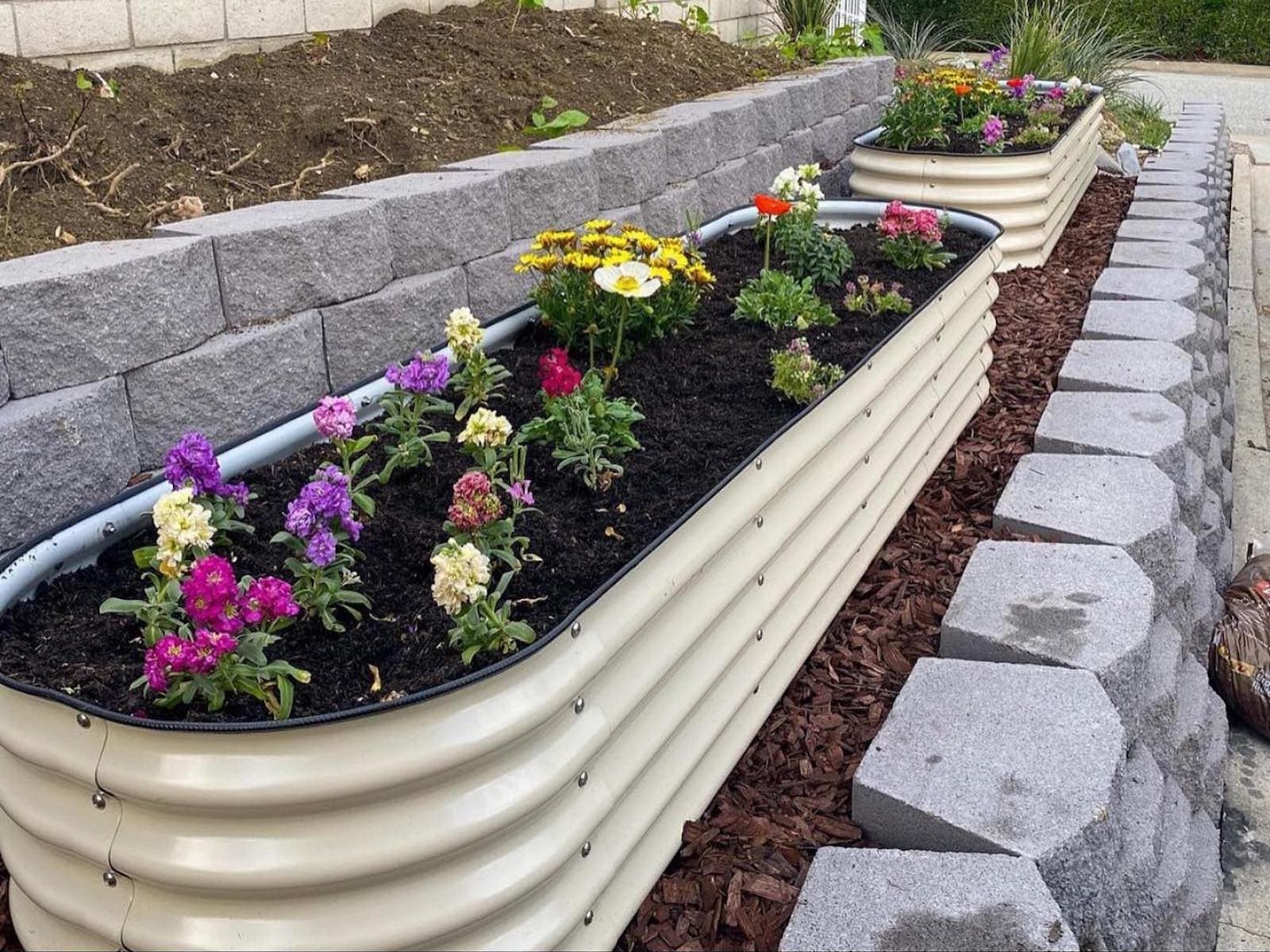
- Image 2: A black aluminum raised garden bed with a wooden slatted top. The bed is filled with vegetables, including tomatoes, cucumbers, and peppers.

- Image 3: A silver aluminum raised garden bed with a brick edging. The bed is filled with herbs, including rosemary, thyme, and basil.

- Image 4: A galvanized aluminum raised garden bed with a concrete top. The bed is filled with strawberries.
- Image 5: A powder-coated aluminum raised garden bed with a slatted wood top. The bed is filled with a variety of flowers.


Post a Comment for "Raised Aluminum Garden Beds: The Easy Way To Grow Your Own Food"