Types Of Hydrangeas You Need To Know About
Hydrangeas are one of the most popular flowering shrubs in the world, and for good reason. They come in a wide variety of colors, sizes, and shapes, and they can be grown in a variety of climates. If you're thinking about adding hydrangeas to your garden, there are a few things you need to know about the different types of hydrangeas.
In this blog post, we'll take a look at the six main types of hydrangeas:
- Bigleaf hydrangeas
- Smooth hydrangeas
- Panicle hydrangeas
- Oakleaf hydrangeas
- Mountain hydrangeas
- Climbing hydrangeas
We'll discuss the unique characteristics of each type of hydrangea, as well as their ideal growing conditions. We'll also provide some tips on how to care for hydrangeas so that you can enjoy their beautiful blooms for years to come.
Bigleaf Hydrangeas
Bigleaf hydrangeas (Hydrangea macrophylla) are the most common type of hydrangea. They are known for their large, showy blooms, which can be blue, pink, or white. Bigleaf hydrangeas are hardy in zones 5-9, and they prefer full sun to partial shade. They need moist, well-drained soil.
Smooth Hydrangeas
Smooth hydrangeas (Hydrangea arborescens) are another popular type of hydrangea. They are known for their white flowers, which can be large and showy or small and dainty. Smooth hydrangeas are hardy in zones 3-8, and they prefer full sun to partial shade. They need moist, well-drained soil.
Panicle Hydrangeas
Panicle hydrangeas (Hydrangea paniculata) are known for their large, cone-shaped blooms. They can be white, pink, or blue. Panicle hydrangeas are hardy in zones 3-8, and they prefer full sun to partial shade. They need moist, well-drained soil.
Oakleaf Hydrangeas
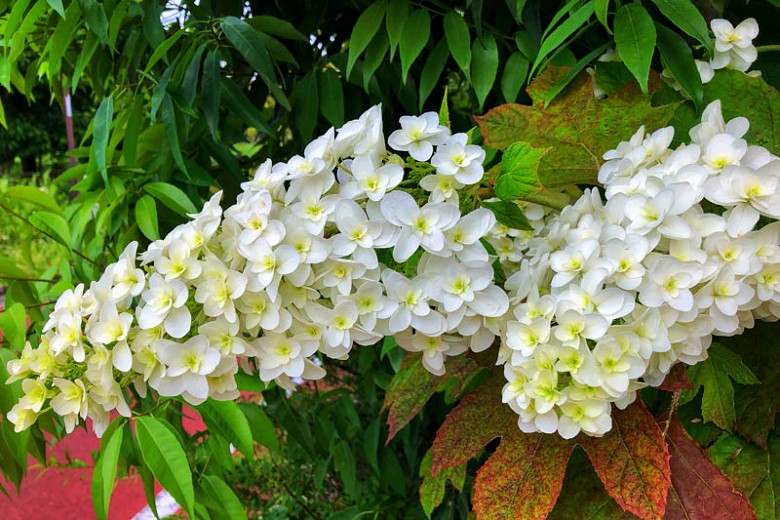
Oakleaf hydrangeas (Hydrangea quercifolia) are known for their large, oak-shaped leaves and their white flowers. Oakleaf hydrangeas are hardy in zones 4-8, and they prefer full sun to partial shade. They need moist, well-drained soil.
Mountain Hydrangeas
Mountain hydrangeas (Hydrangea serrata) are known for their small, lacecap flowers. They can be white, pink, or blue. Mountain hydrangeas are hardy in zones 4-8, and they prefer partial shade to full shade. They need moist, well-drained soil.
Climbing Hydrangeas
Climbing hydrangeas (Hydrangea petiolaris) are known for their fragrant white flowers. They can climb up to 80 feet. Climbing hydrangeas are hardy in zones 4-8, and they prefer partial shade to full shade. They need moist, well-drained soil.
Conclusion
These are just a few of the many different types of hydrangeas that are available. With so many different choices, you're sure to find the perfect hydrangea for your garden.
When choosing hydrangeas, it's important to consider the following factors:
- Your climate zone
- The amount of sunlight your garden receives
- The type of soil you have
- Your personal preferences for flower color and size
Once you've chosen the right hydrangeas for your garden, be sure to plant them in the right location and give them the proper care. With a little bit of effort, you'll be enjoying beautiful hydrangea blooms for years to come.
Hydrangeas are some of the most popular flowers in the world, and for good reason. They come in a wide variety of colors, sizes, and shapes, and they can be grown in a variety of climates. If you're looking for a beautiful and versatile flower to add to your garden, a hydrangea is a great choice.
But with so many different varieties of hydrangeas available, it can be hard to know where to start. That's where comes in. This website is a comprehensive resource for all things hydrangeas. You'll find information on different varieties of hydrangeas, how to care for them, and how to use them in your garden.
FAQ of different varieties of hydrangeas
Question 1: What are the different types of hydrangeas?
Answer: There are over 70 species of hydrangeas, but the most common types are:
- Hydrangea macrophylla: These are the classic hydrangeas with large, showy blooms. They come in a variety of colors, including blue, pink, purple, and white.
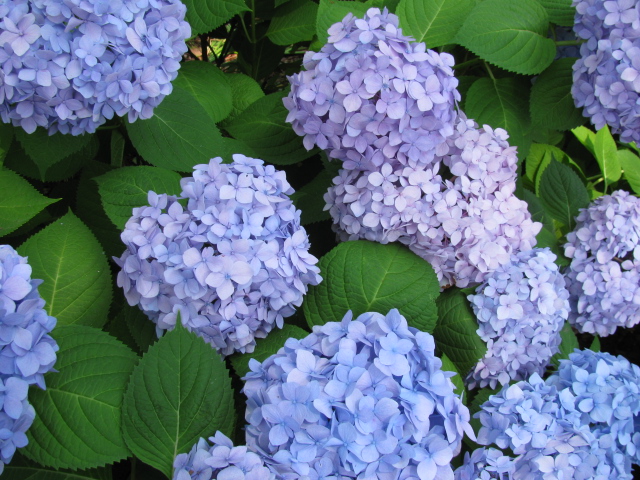
- Hydrangea paniculata: These hydrangeas have cone-shaped blooms that are smaller than macrophylla hydrangeas, but they are just as beautiful. They come in white, pink, and purple.

- Hydrangea arborescens: These hydrangeas are known for their large, white blooms. They are hardy and easy to care for, making them a popular choice for gardens.
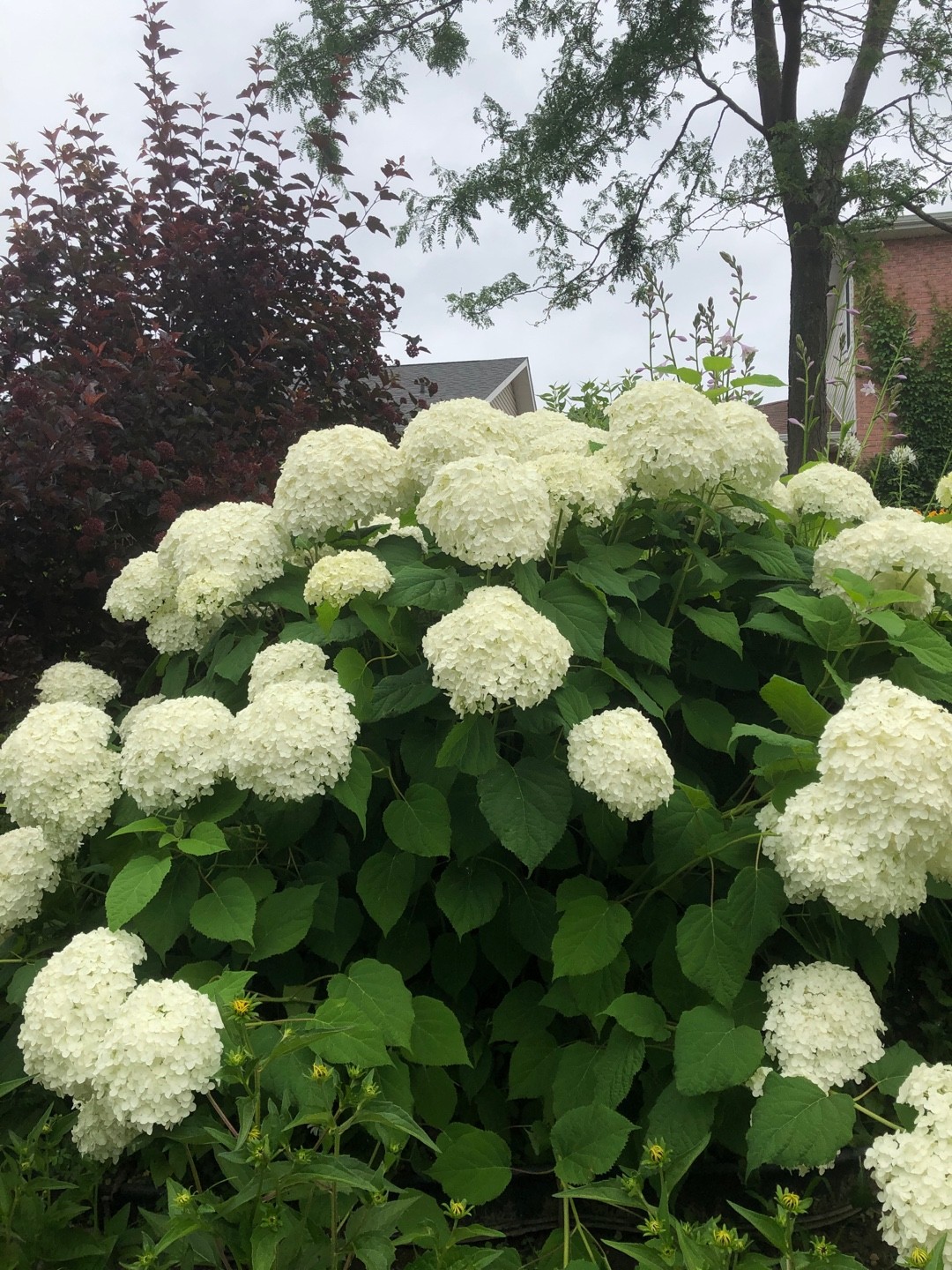
- Hydrangea serrata: These hydrangeas have small, lacecap flowers that are a beautiful shade of blue. They are a bit more difficult to care for than other types of hydrangeas, but they are worth the effort.

Question 2: What causes different colors in hydrangeas?
Answer: The color of hydrangea blooms is determined by the pH of the soil. In acidic soil (pH less than 7), hydrangeas will bloom blue. In neutral or alkaline soil (pH 7 or above), hydrangeas will bloom pink or red. You can change the color of your hydrangeas by adjusting the pH of your soil.
Question 3: How do I care for hydrangeas?
Answer: Hydrangeas are relatively easy to care for, but they do have some specific needs. They need full sun to partial shade and well-drained soil. They should be watered regularly, especially during the summer months. Hydrangeas also benefit from a light application of fertilizer in the spring.
Question 4: What are some common problems with hydrangeas?
Answer: The most common problems with hydrangeas are leaf spot, powdery mildew, and aphids. Leaf spot is a fungal disease that causes brown spots on the leaves. Powdery mildew is a fungal disease that causes a white powdery coating on the leaves. Aphids are small insects that suck the sap from the leaves. These problems can be treated with fungicides or insecticides.
Question 5: How do I propagate hydrangeas?
Answer: Hydrangeas can be propagated by taking cuttings or by dividing the roots. Cuttings are taken in the spring or summer, and the roots are divided in the fall. Both methods are relatively easy, and they will give you new hydrangea plants to enjoy.
Image of different varieties of hydrangeas
5 different images of different varieties of hydrangeas from Pinterest:
- Hydrangea macrophylla is the most common type of hydrangea. It has large, round flowers that can be blue, pink, or white.
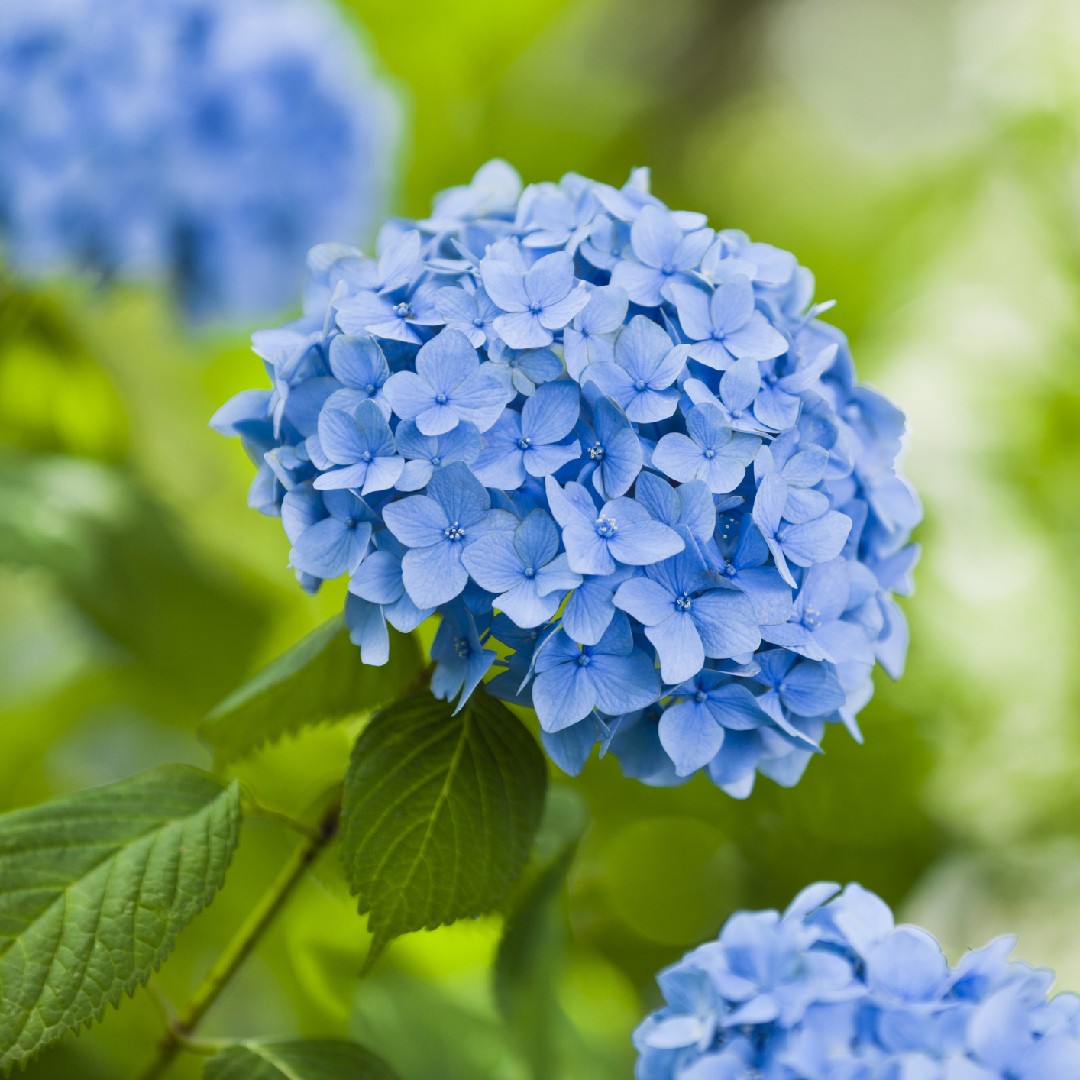
- Hydrangea paniculata is another popular type of hydrangea. It has tall, panicle-shaped flowers that can be white, pink, or purple.

- Hydrangea arborescens is a smaller type of hydrangea with white or pink flowers. It is often used as a hedge or groundcover.
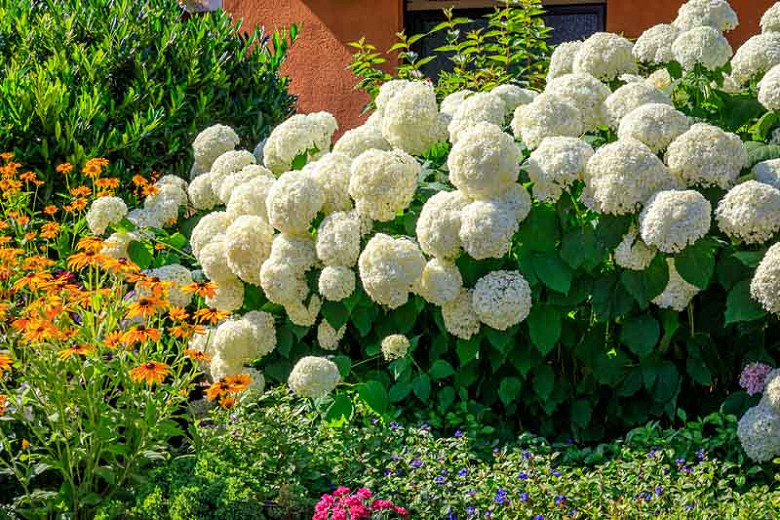
- Hydrangea quercifolia is a deciduous hydrangea with oak-shaped leaves. It has large, blue or pink flowers that bloom in the summer.
- Hydrangea serrata is a Japanese hydrangea with serrated leaves. It has small, white or pink flowers that bloom in the summer.

Post a Comment for " Types Of Hydrangeas You Need To Know About"